
Right Year, Wrong Watch
 By Michael·October 13, 2026
Right Year, Wrong Watch
What chasing a birthyear watch actually costs you
Every week someone comes to us with a year instead of a watch. "I was born in 1987, find me a birthyear watch." I understand the pull. There is something genuinely cool about strapping on a piece of machinery that was being assembled somewhere in Switzerland while you were being brought home from the hospital. It is one of the few things in this hobby that is truly yours and nobody else's.
But here is where we land after years of hunting these down for people: the birthyear is a perk. It is not the point.
Condition should always come first. Then originality. Then completeness. Then the year.
That order matters, and it almost never gets followed.
When you lock yourself to a single production year, you are no longer shopping the market. You are shopping for a tiny sliver of it. And the market does not care what year you were born, so it does not stock extra clean examples for you. What is available in your year is what we have to choose from. That is how people end up with a case that has been polished into a bar of soap, a service dial, a replacement hand set, and a bezel insert that does not belong, all because the year lined up.
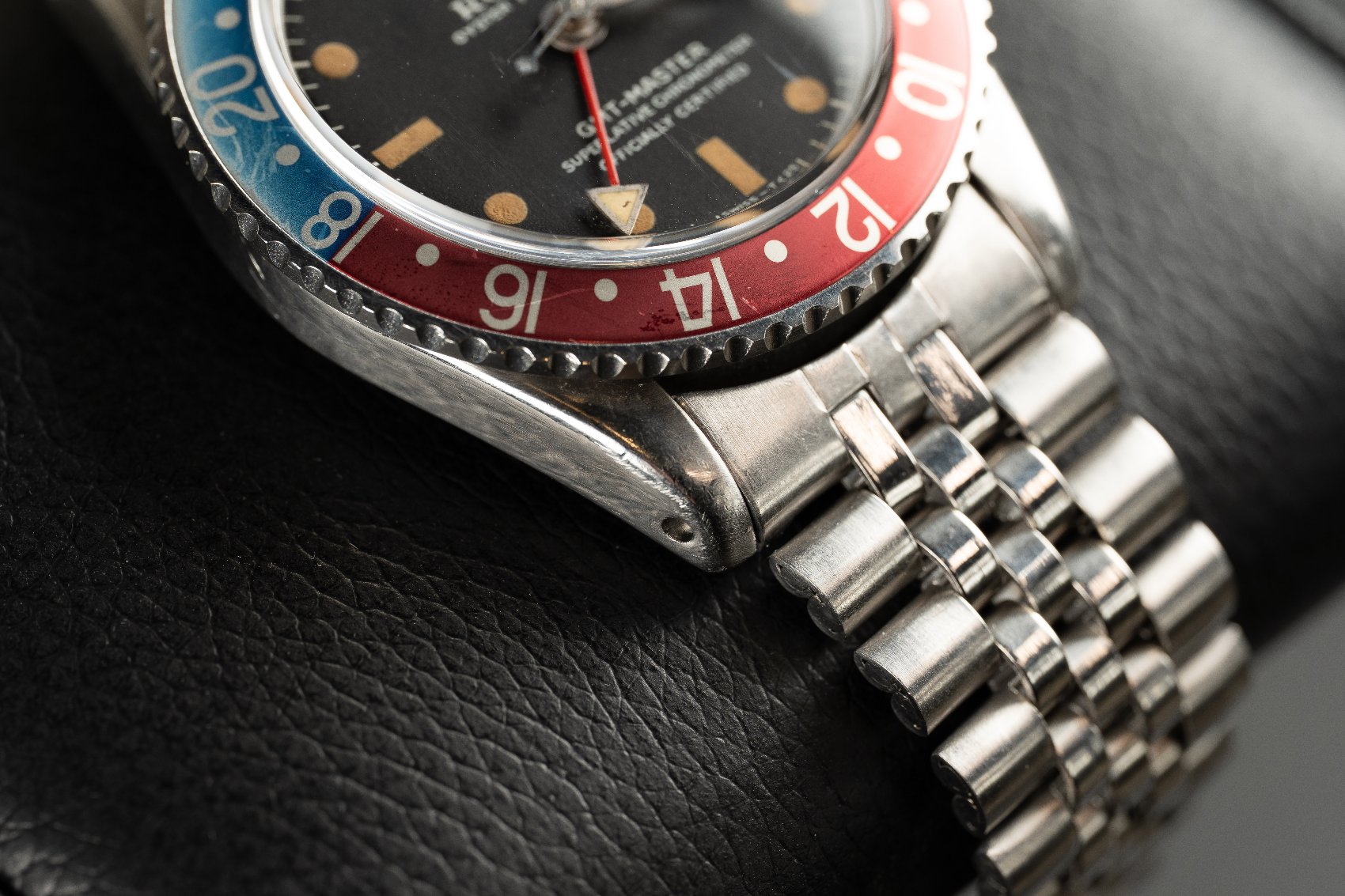
We have watched buyers pass on a beautiful, honest, original watch from the year before or the year after to chase a worse example with the right numbers. That is a bad trade every single time. You will look at the condition every day you wear it. You will look at the serial approximately never.
The right reference beats the exact year
Most vintage references ran for years. A watch built in your birthyear and a watch built two years on either side are frequently the same watch, made on the same line, with the same parts, by the same hands.
So widen the target. Instead of hunting one year, consider opening up to the references that were in production during your birthyear. You get the era, the correct look, the right dial, and you open yourself up to three or four times the supply and a possibly a rarer example, of a timepiece you did not consider or where unaware of which is exactly the watch you dreamed of.
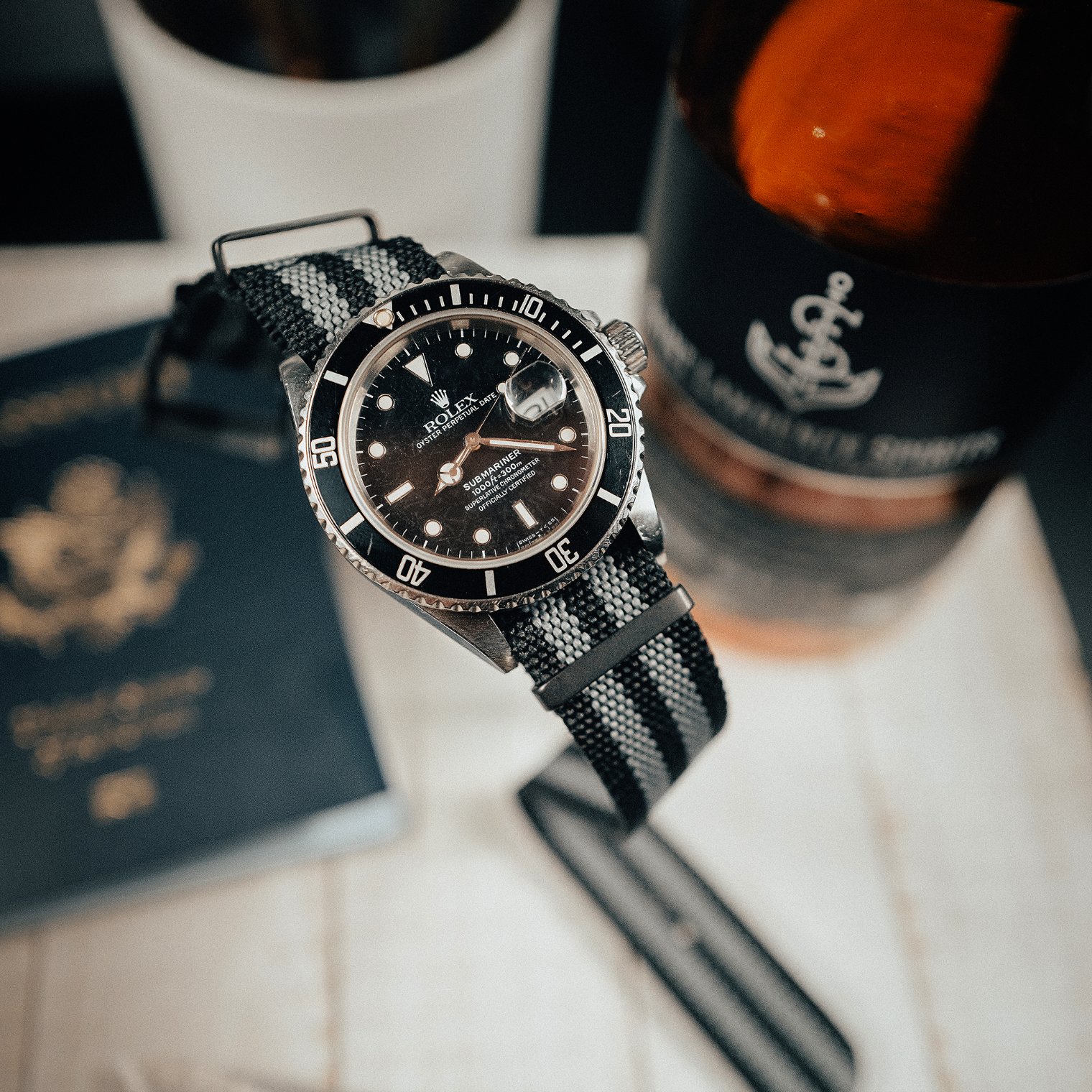
Transitional references are the sweet spot here. Those short production windows where a maker was switching over, a year or two at most, mean the reference itself is already tied to a narrow slice of time. If one of those windows lines up with your birthyear, you get the connection without hamstringing your search.
The year is one anchor. There are others.
Most people arrive with one number and treat it as fixed. It is worth asking why that number and not another. The year you met your wife. The year your first child arrived. The year you opened the business. The year you graduated. Every one of those carries the same private meaning, and every one of them widens the pool we get to choose from.
Widen it further and think in eras rather than years. A watch that is unmistakably mid-seventies tells the same story as a watch stamped 1976, and it lets us shop three or four times the market on your behalf.
Here is the practical version. Give us a three year window instead of a twelve month one and we will find you a materially better watch for the same money. Not slightly better. Materially better, because condition is the first thing that gets scarce when you narrow a search, and condition is the thing you actually live with.
Nobody else will ever know
This cuts both ways, and it is worth being honest about.
On the good side, it is a private thing. It is not a status play, it is not a flex, and nobody on the street is clocking your serial number. It is a detail that belongs to you and maybe three people you would ever bother explaining it to. That is a rare and pleasant thing in a hobby that that has gotten loud due to hype and trends.
On the other side, it is worth close to nothing when you sell. The premium you paid to land in your year does not transfer, because the next buyer might have been born in a different one. Birthyear value is not stored in the watch, it is stored in you. Plan accordingly, and be careful about how much of that premium you agree to pay in the first place.
The timing problem
A lot of people decide for a birth year watch too early.
If your birthyear watch is also your first watch, you are asking one object to do two jobs it is not suited for. You will either baby it and not wear it, or wear it and enjoy it.
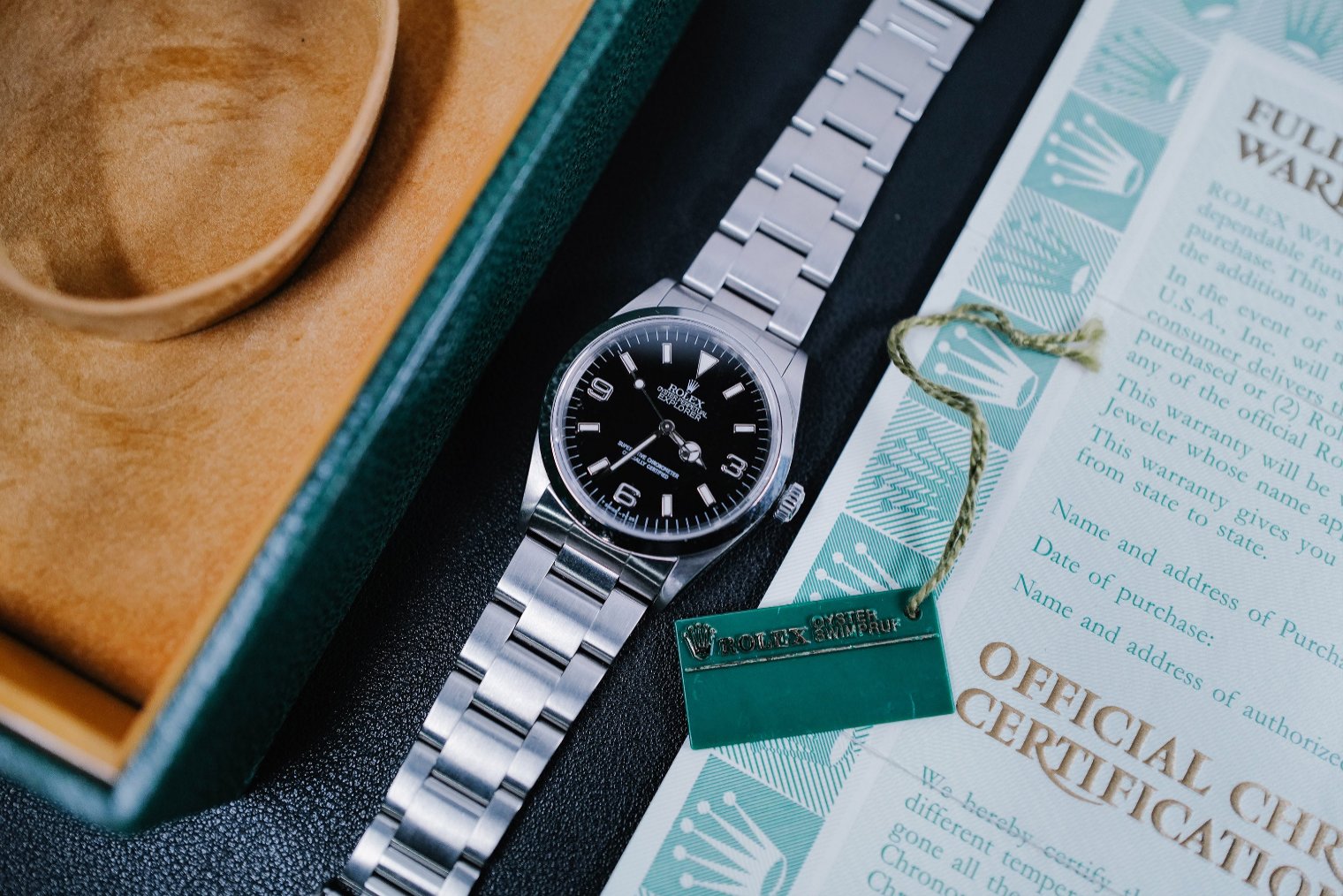
Our recommendation, pretty much every time: build the collection first. Learn what you actually like on the wrist, which is usually not what you thought. Then go find the birthyear piece and let it be what it should be, a weekend watch, a desk watch, a thing you put on deliberately.
A story on this
Twice in the life of this business, a watch came through my hands where the production date matched the exact date we opened our doors. Not the year, we're talking the EXACT month, the day and year!
Both times I sat with it for a minute and thought that was about as good an omen as this business is ever going to hand me.
Both times I sold the watch...
Neither one was a watch I really wanted to keep. They were meaningful and they were not mine, and it turns out those are different things. The significance was real and it still was not enough to make me want the object on my wrist. That taught me more about birthyear watches than any chart ever could.
How we run a birthyear search
If you bring us a year, this is what we do with it.
We treat the year as a filter, not a finish line. We start with the reference that was in production during your birthyear and we work outward from there. Condition and originality set the shortlist. The year breaks ties.
And if the best watch we can find for you is off by a year, we will tell you, and we will tell you why we think you should take it. You can overrule us. It is your watch and your money. But you will not hear us pretend a worse watch is the better buy because the numbers lined up.
The year is a nice thing to know. It is not what makes it a good watch.
Michael was nine years old when he decided the only watch that mattered was a Rolex. Thirty plus years later he buys and sells them for a living. He founded Biel Watches in 2021, dealing Rolex, Patek Philippe, and Audemars Piguet, and later opened Biel Vintage Watches for the older pieces he was always slow to part with.