
Survivors: Why Untouched Original Vintage Watches Get Rarer Every Year
 By Randy·October 15, 2026
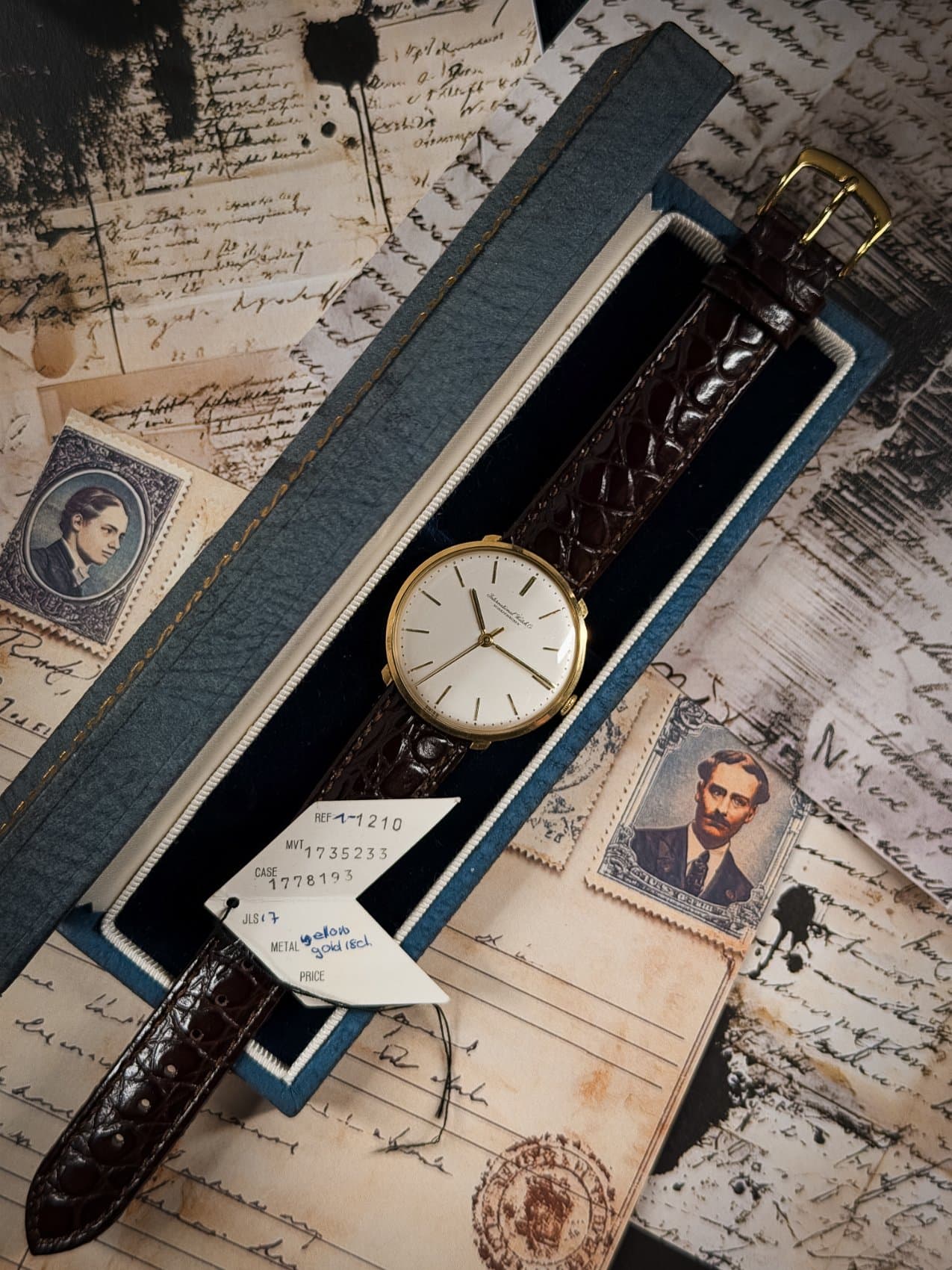
Here is the uncomfortable truth about vintage watches. The supply only moves in one direction.
Each and every year there are fewer and fewer honest original examples from the 1940s through the early 1970s, and the number is falling fast.
When a modern luxury brand sees demand spike due to internet hype, alleged influencers and marketing strategies, they scale up production, tweak the CNC software, and throw a third shift onto an automated assembly line to please corporate shareholders. The modern production tap never actually turns off.
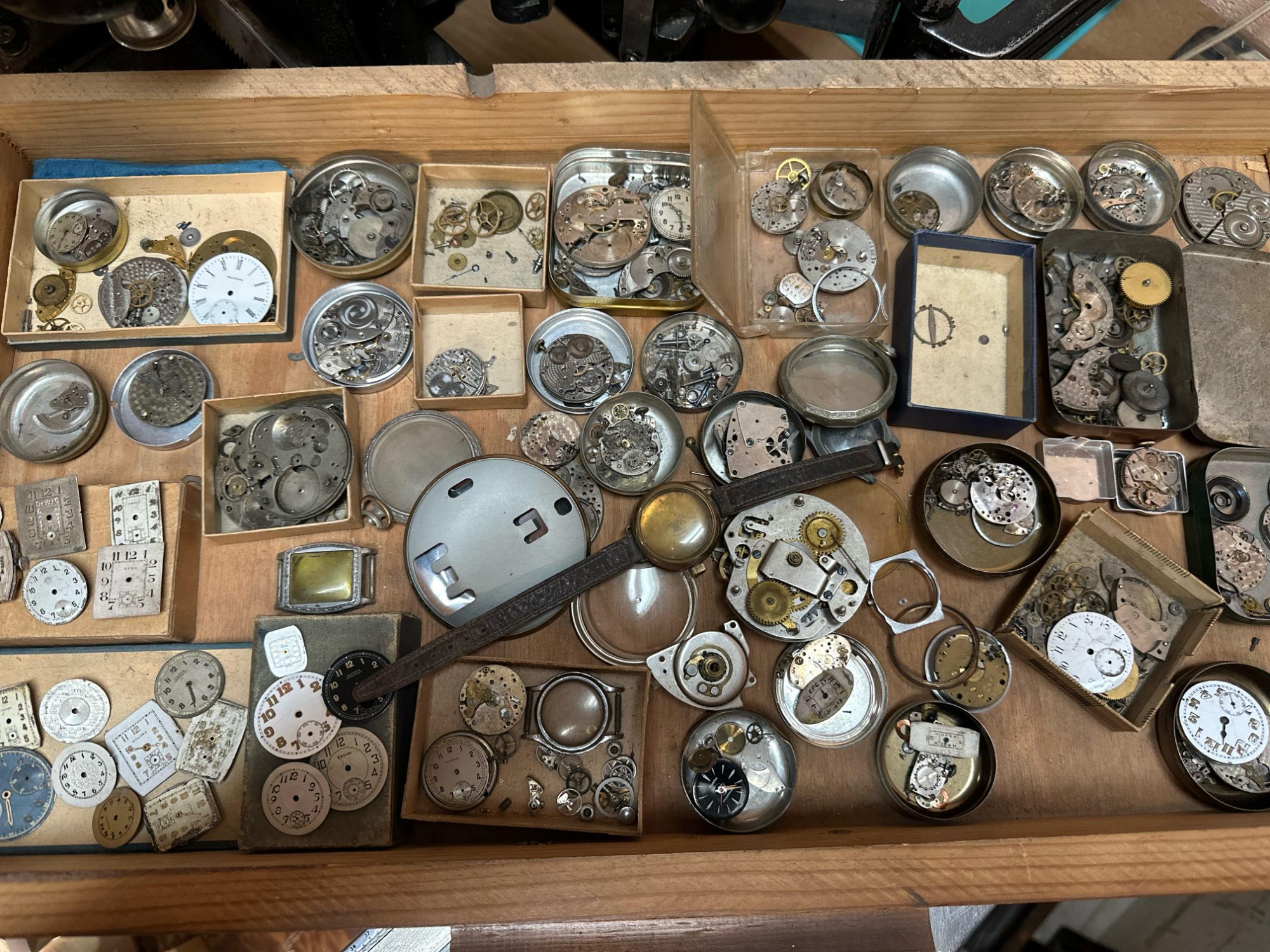
Vintage has no tap. Many of the companies that made these watches were merged, sold or shut down during the quartz crisis. The brands that survived retooled long ago, and the people who hand-finished those movements and printed those dials have retired or passed on. What exists now is all there will ever be, and good examples are lost every year to the same handful of causes.Let’s look at the Horology Killers:
NEGLECT
Start with neglect. Think how many watches have spent decades in a damp attic, basement or dresser drawer. Moisture spots and tarnishes silver dials until the finish lifts away in flakes. Dried-out gaskets on an Enicar Sherpa Graph or Heuer Autavia can result in moisture getting in at the crown or pushers. Moisture goes after the steel, pinions, screws, springs and the balance staff. Thus a movement that left the factory running within seconds a day ends up as a rusted block fit only for the parts drawer. The lubricating oils dry to varnish. Give it a few weeks and the Valjoux 72 inside can rust solid. It doesn't take much. Old radium lume darkens and can burn its outline into the dial.
THE MELTING POT
Then there's the melting pot. When gold spiked in 1980 and again in 2011, countless solid gold watches had their movements pulled and their cases sold for scrap. References made in small numbers to begin with got even rarer because someone wanted to cash out at spot. With gold at new record highs it's happening again right now.
This matters because the numbers were small to begin with. In the mid-century, houses like Audemars Piguet and Vacheron Constantin and Blancpain made watches in the low thousands per year. Melt a few hundred cases from a run that small and you've erased a sizeable share of everything that was ever made by them. Compare that to Rolex which is now estimated to make over a million watches a year.
WELL-MEANING RESTORATIONS
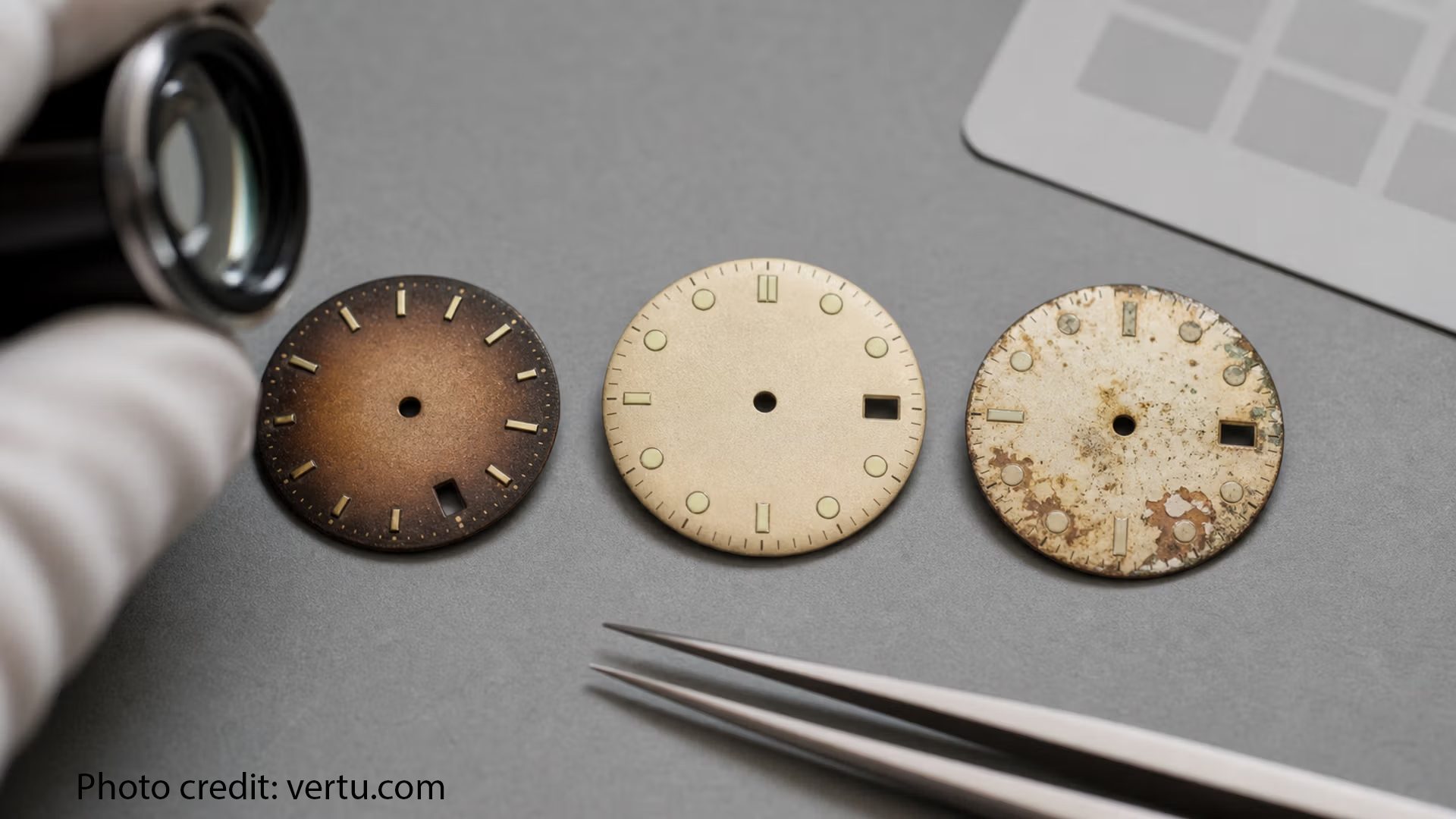
Some of the worst damage comes from people trying to help. A repair shop swaps the beautifully faded original bezel on a Universal Genève Compax for a shiny new one. An owner sends a Polerouter dial out to be refinished because it has patina on it. Once the original print, font and lume are gone, they don't come back, and neither does most of the value. A refinished dial is a new dial on an old watch... he just killed the watch's soul and tanked its value.
FAKES
Where there's money, there's fakery. Some early Submariner and GMT-Master dials turned a warm, uneven brown over decades as the unstable black paint broke down from exposure to humidity and sunlight. Collectors call them tropical dials and pay heavily for them. So people fake them, cooking ordinary black dials with heat, UV lamps or chemicals. The result is usually too even, and under a loupe the surface and print often show cracking or blistering that a genuine tropical dial doesn't.
FRANKENSOmega's 500-series automatic movements were brilliant because their gear trains and automatic bridges were highly interchangeable across the catalog. Today, bad repair shops and unscrupulous watchmakers harvest parts from common, entry-level dress watches and drop them into rare Seamaster 300 sports cases to build expensive lies.
The Longines Caliber 13ZN flyback chronograph is one of the most highly coveted vintage watches in the world. The most common 13ZN fraud involves matching parts that never belonged together. Forgers also take water damaged dials and have them reprinted with crude modern printing.
THE POLISHING WHEEL
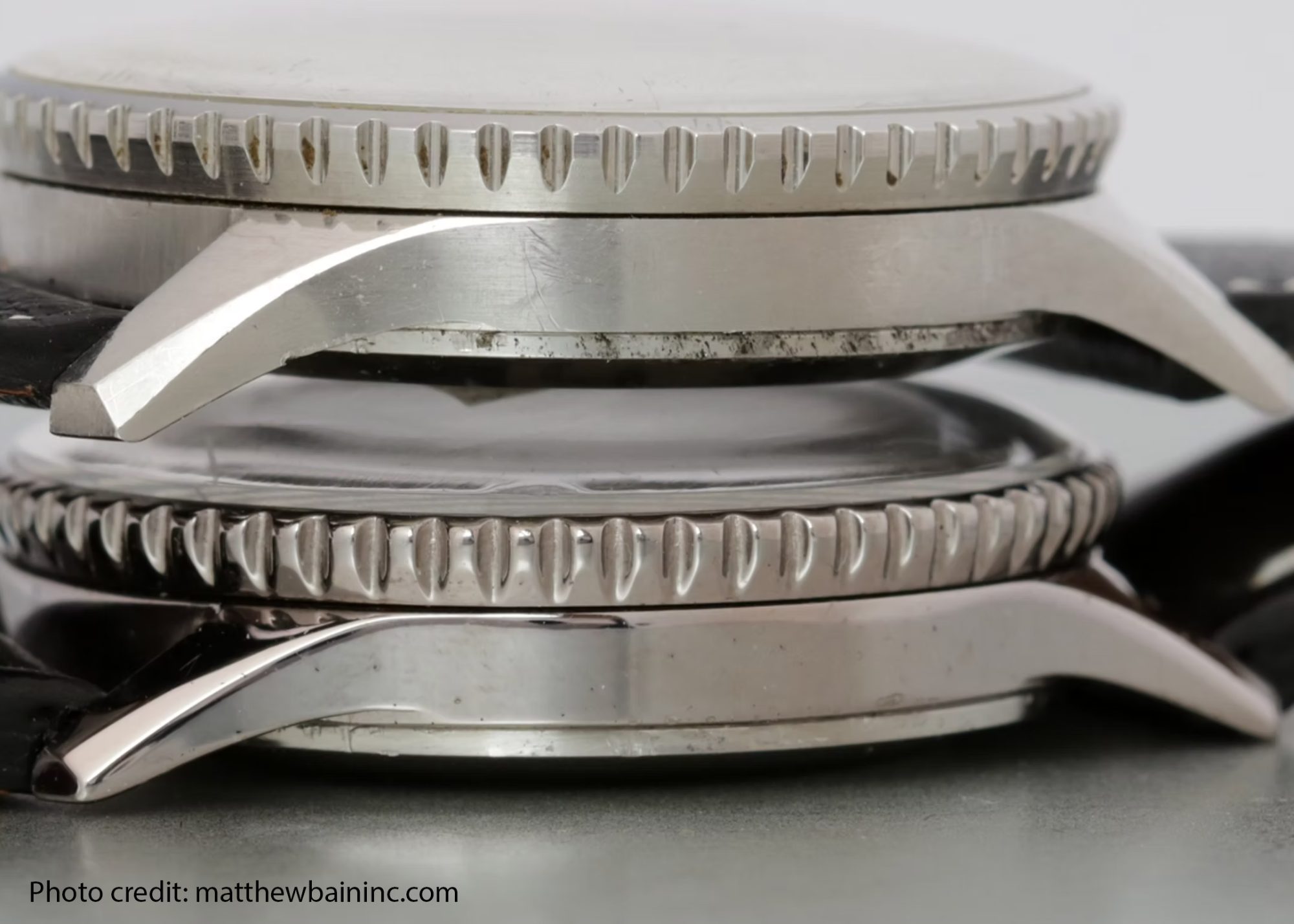
Even the case can't hide. During the 1950s, IWC was renowned for its highly complex, architectural case designs. What makes a 1950s Caliber 89 series watch so special is the stunning, sharp factory bezels and crisp geometric lug types. A dealer chasing a quick shine leans it into a high-speed wheel too long and the edges are gone for good. The lugs end up looking like melting ice cubes.
PARTS CANNIBALISM
Parts are the last fight. Jaeger-LeCoultre built some of the best movements of the era, and its Memovox alarm caliber 825 is no exception. New old stock parts are nearly gone, so shops pull date wheels and alarm parts from more common Memovox models to keep the rarer references running, often fitting the wrong part for the reference. Each repair like that uses up a donor watch that was a survivor too.
Exhausted or depressed yet?
WHY ALL THIS MATTERSPut it all together and you can see why a vintage watch with an unpolished case, sharp factory bevels, its original movement and parts, crisp lugs and an unrestored dial is so hard to find. The odds were against every one of them.
Every time a clean, untouched original timepiece passes intact to its next owner, that's a small win against time. Next time you hold one, look past the name on the dial. Think about what it took to make and survive.
That watch outran the damp attics, melting pots, polishing wheels, botched repairs and parts harvesters for more than half a century.Born out of passion and necessity with an artisan's touch, these vintage icons possess an enduring soul and timeless beauty that today's automated world can never recreate.
The best any of us can do is look after the ones that are left and hand them on in the shape we found them.
Treat them with some damn respect.
Randy
Biel Vintage Watches
Randy bought his first vintage watch at twenty five, a gold-plated Gruen Precision, because he thought James Bond was cool and could not afford the solid gold Omega Seamaster his grandfather wore. Decades later he deals in the pieces he once could not afford. He is Vice President of Biel Vintage Watches, working with first-time buyers and seasoned collectors alike. No hype, no pressure, no nonsense.